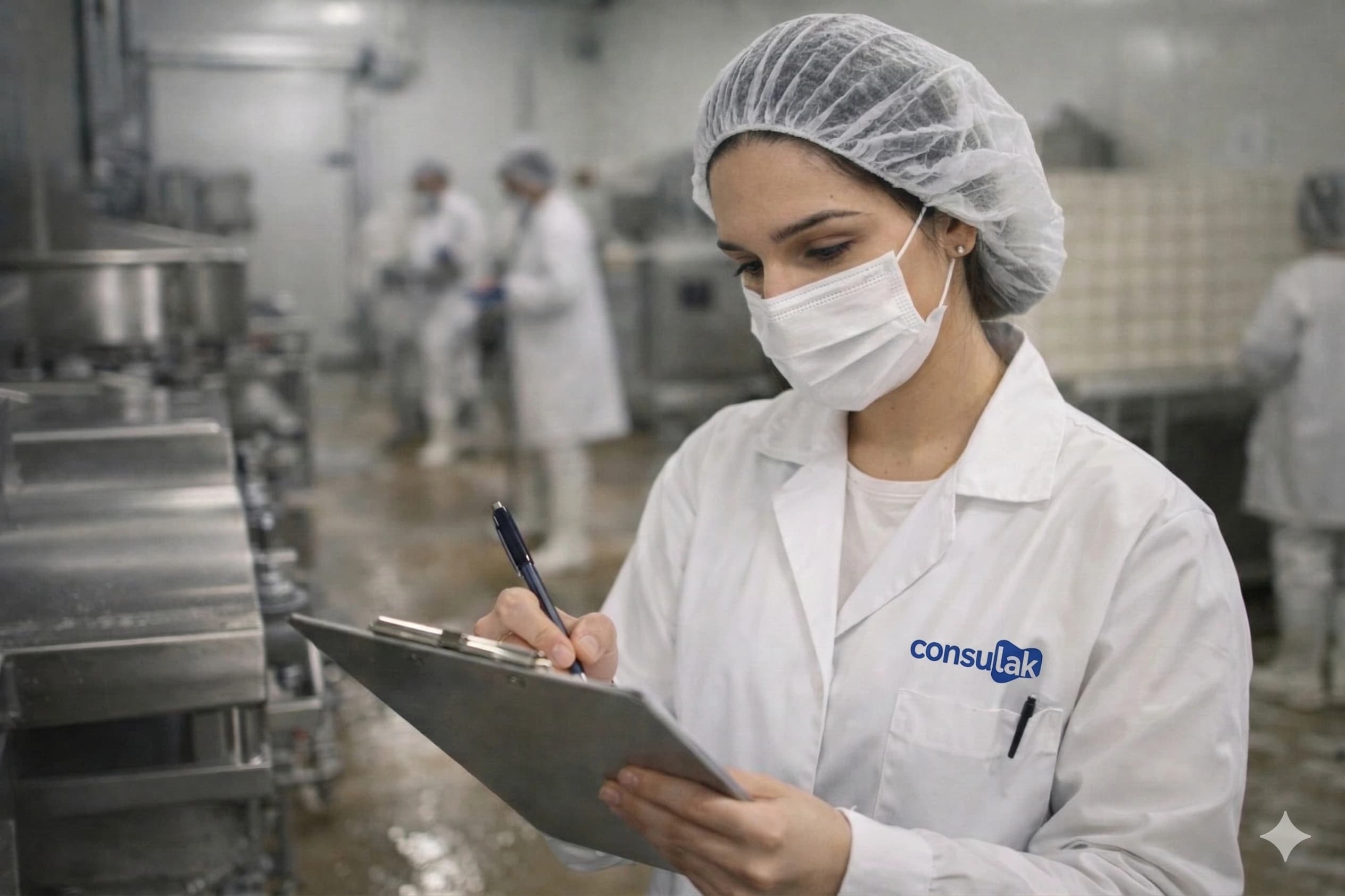
Audit-proof documentation and consistent quality standard.
Technical structuring and implementation of operational manuals. Avoid tax fines and guarantee the sanitary safety of your production.
Talk to the technical departmentThe liability generated by lack of standardization
The absence of documented methods compromises the financial and legal health of the industry.
Risk of Fines
The lack or outdatedness of spreadsheets is the primary cause of financial sanctions in MAPA and state agency inspections.
Operational Inconsistency
Production acts without protocols, resulting in sensory variations in the final product and returns by retail.
Inadequate Records
Flawed form filling makes it impossible to trace production, preventing the company's defense in cases of complaints.
Sanitary Vulnerability
Unmonitored flaws in sanitary barriers and hygiene expose the factory to contamination by serious pathogens.
The difference between a drawer document and a functional PAC
Models copied from the internet fail your company. The inspector evaluates the conformity between what is written and the actual practice on the factory floor.
The Generic PAC
- Dense manuals, with theoretical language that the production team does not understand.
- Excess of bureaucratic spreadsheets that employees don't have time to fill out.
- False sense of security that falls apart in the first minutes of an audit.
The Consulak PAC
- Tailor-made manuals, respecting the layout and real equipment of your factory.
- Objective and direct forms, exclusively focused on Critical Control Points.
- PAC presentation meeting with usage guidance and clarification of responsibilities.
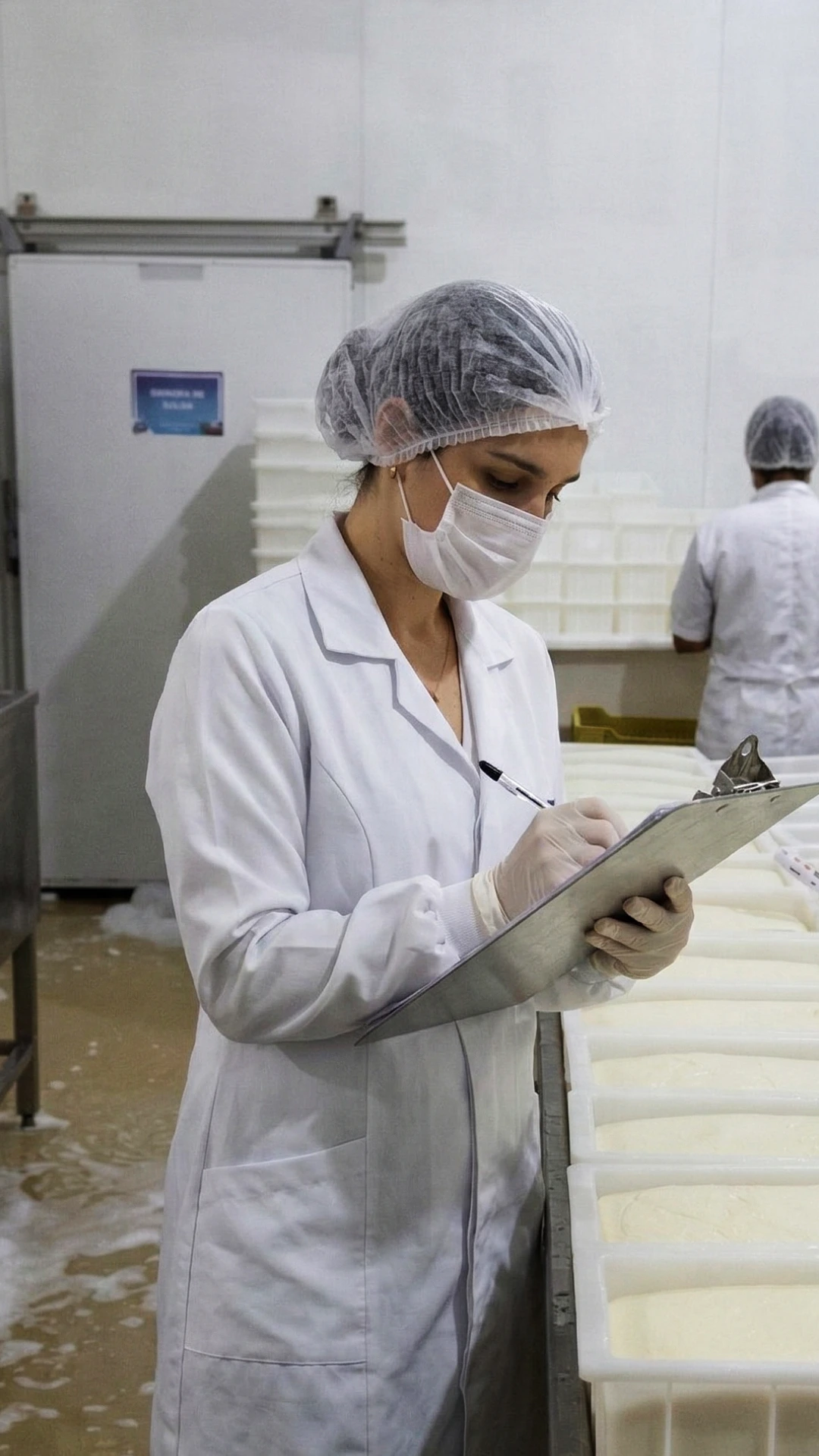
Implementation of sanitary culture, not just filling out paper.
Consulak's Quality department, structured under the leadership of specialist Anna Carolline, executes the technical adequacy of your factory in total compliance with current legislation.
- Complete Elaboration: We develop all programs, procedures, and monitoring spreadsheets.
- Presentation Meeting (Guided Implementation): We present the PAC in a meeting, explaining controls, records, and responsibilities, with usage guidance and clarification of doubts.
- Technical Conformity Review: Adjustments and validation of content to be consistent with the process and applicable legal requirements.
- Food Safety: Traceable and standardized controls to reduce risks and protect the consumer.
Implementation Schedule
Structured application methodology to minimize impacts on the production routine.
Operational Diagnosis
Technical visit to the plant for risk analysis and identification of practices adopted by the team.
Drafting and Structuring
Development of PAC volumes, adapting technical language to ministry regulations.
Presentation and Delivery
PAC presentation meeting with the responsible team, explaining controls, records, and responsibilities, with clarification of doubts.
Continuous Verification
Subsequent practical follow-up to validate the execution of procedures and correct deviations.
Frequently Asked Questions
Do dairies with municipal registration (SIM) also need to implement PAC?
What physically makes up the Self-Control Programs?
Our team has high turnover. How do we keep the records correct?
Ensure the maintenance of your registration and the standardization of your products.
Contact us and request an analysis of the current status of your sanitary documentation.
Talk to the PAC Specialist